You Should Castle Early in Chess (and What Happens If You Don’t)
In chess, castling is one of those rare moves that feels almost magical. You move two pieces at once — your king and your rook — and in one swoop, you protect your monarch and connect your heavy artillery. Yet beginners often delay or forget it altogether, only to discover their king stranded in the middle of the board like a sitting duck.
1. Castling Keeps Your King Safe
The number one reason to castle early is king safety. In the opening, pieces fly out, pawns push forward, and files start to open. If your king stays in the center too long, it becomes a prime target for early attacks. Castling tucks it safely behind a wall of pawns, making it harder for your opponent to land a knockout blow.
Think of it like moving your VIP into a secure bunker before the battle gets too heated.
2. It Activates Your Rook
When you castle, your rook leaps toward the center, where it can control more squares and support your other pieces. In many openings, this is the easiest and fastest way to bring your rook into the game without wasting extra moves.
A rook stuck in the corner is like a sports car in a locked garage — lots of power, zero impact.
3. It Solves Two Problems in One Move
Chess is a game of efficiency. Castling is unique because it simultaneously:
Moves your king to safety.
Activates your rook toward the center.
That’s two benefits in one turn, something you don’t get with most moves.
4. Waiting Too Long Can Be Fatal
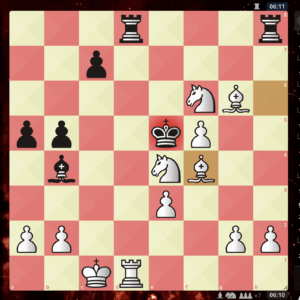
If you delay castling, your opponent may open the center with pawn breaks, forcing your king into a firefight it’s not built for. Worse, you might lose the right to castle entirely if your king or rook moves first.
Many painful checkmates in under 15 moves — such as the infamous Scholar’s Mate variations gone wrong — happen simply because someone didn’t castle in time.
5. It Puts You in Control of the Game’s Pace
Once your king is safe, you can focus on attacking. Without the constant worry of defending your monarch, you’re free to develop your pieces and start putting pressure on your opponent.
Bottom line: In most positions, castling within your first 10 moves is a sound habit. It’s not always the best move — there are rare exceptions — but for the vast majority of games, it’s your quickest route to safety and a strong, coordinated army.
Castle early, and you’ll often find yourself not just surviving the opening, but thriving into the middlegame.