The Surprising Similarities Between Playing Chess and Driving
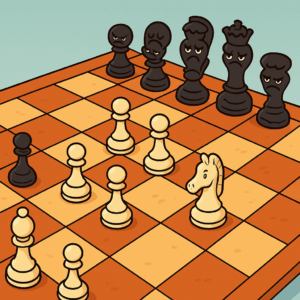
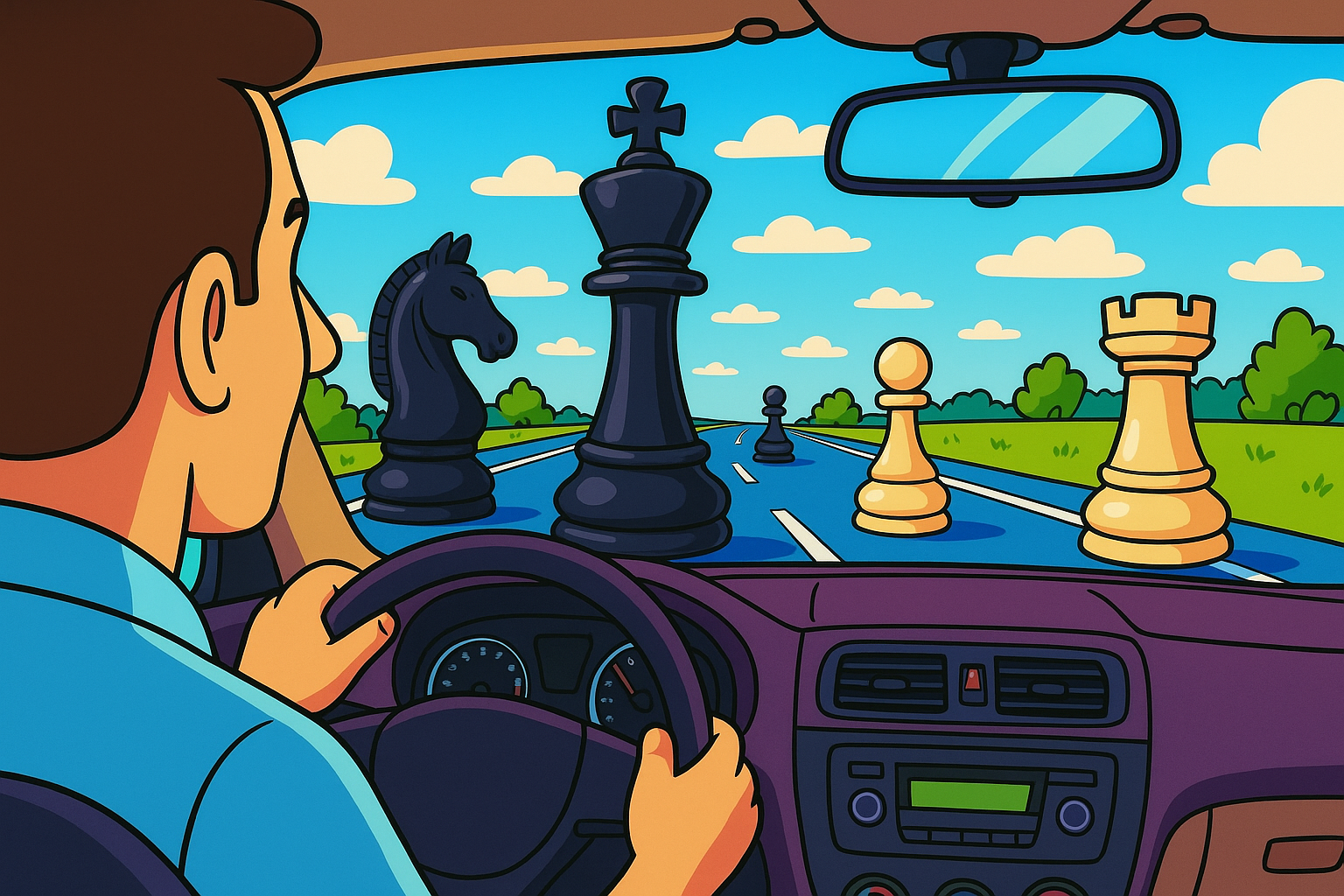
When you think of chess and driving, they may seem worlds apart—one is a centuries-old board game, the other a modern-day necessity. But look a little closer, and you’ll see they share more in common than you might expect. Whether you’re maneuvering a pawn across a chessboard or changing lanes on a highway, both activities require strategic thinking, awareness, and anticipation.
Here are five striking similarities between playing chess and driving:
1. Thinking Ahead Is Key
In both chess and driving, anticipating what comes next can be the difference between success and failure. A strong chess player always considers several moves ahead, predicting how their opponent might respond. Similarly, a good driver doesn’t just focus on the car in front—they watch the road far ahead, anticipate lane changes, and expect sudden stops. In both cases, looking ahead allows you to make smarter, safer decisions.
2. Every Move Has Consequences
One wrong move in chess can cost you a piece—or even the entire game. Likewise, one careless moment on the road can lead to a fender bender or worse. Both situations demand careful judgment, weighing risks, and understanding the impact of your choices. Whether it’s sacrificing a bishop or misjudging a merge, poor decision-making has a price.
3. Staying Calm Under Pressure Matters
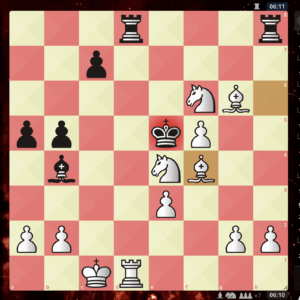
The chess clock is ticking. Your opponent just made an aggressive move. Do you panic? No—you stay calm, analyze, and respond. The same goes for driving. Someone cuts you off. Traffic is bumper to bumper. It’s tempting to get frustrated, but maintaining a calm mindset is crucial. In both scenarios, emotional control keeps you sharp and focused.
4. Pattern Recognition Helps You Win
Great chess players spot recurring patterns and use them to their advantage. Drivers, too, develop a sense of pattern over time—recognizing behaviors like tailgaters, aggressive merging, or dangerous intersections. Spotting these patterns allows you to predict and respond appropriately, making both players and drivers more effective.
5. Rules and Strategy Go Hand in Hand
Chess has strict rules, but it’s also a game of creativity and strategy. Driving is governed by laws and signals, yet every route and situation calls for your own judgment. In both, knowing the rules is just the beginning—how you apply them determines your success.
Final Thoughts:
Whether you’re gripping a steering wheel or moving a rook, both chess and driving reward mindfulness, foresight, and strategic planning. Mastering either one is less about reacting and more about thinking, learning, and improving over time.
So next time you’re in traffic, imagine you’re playing a real-life chess match—because in many ways, you are.